

 Where Can I Find a Travel Clinic Near Me in Manchester?
You can find a travel clinic in Manchester through private specialist clinics, some pharmacies, and some GP surgeries. South Manchester Travel Clinic offers a full pre-travel service, including yellow fever vaccination as a designated centre. When choosing, look at the range of vaccines, the clinicians’ expertise, appointment availability, and how clearly costs are explained. Book early, because some vaccines need several weeks or months to complete. A consultation will confirm exactly what your trip requires.
If you search for a “travel clinic near me” in Manchester, South Manchester Travel Clinic is a specialist private option for travel vaccines and advice. We are a designated yellow fever vaccination centre, so we can give the vaccine and issue your certificate. Our clinicians review your trip and your health, then recommend the vaccines and medicines that suit you. You can also find travel services through some GP surgeries, pharmacies, and other private clinics across Greater Manchester. This guide explains what to look for so you can choose with confidence.
Find your travel clinic and arrange your appointment. Our travel health specialists will review your trip and explain your options at a convenient appointment. Book now.
What Does a Travel Clinic Do?
A travel clinic specialises in keeping travellers healthy before, during, and after a trip. Its clinicians focus on travel medicine rather than general care. That means they keep up to date with disease risks, vaccine schedules, and entry rules.
Your appointment looks at the whole picture. It covers vaccines, malaria prevention, and practical health advice for your destination. You leave with a clear plan.
Services You Might Expect
- Personalised advice on which travel vaccines suit your trip
- Malaria risk assessment and advice on suitable tablets
- Yellow fever vaccination and certificates, at designated centres
- A check of your routine vaccines, such as tetanus, diphtheria, and polio
- Guidance on food and water safety, insect bites, and altitude
- Advice on travel health kits and what to pack
- A clear record of the vaccines you have had
Why a Travel Clinic Visit is Worth It
Plenty of travellers rely on general web searches for health advice. The results can be out of date or too broad for your trip. A clinician can tailor advice to you.
- Advice is based on your own itinerary, activities, and health
- Disease risks and entry rules change, and clinicians keep up with those changes
- Vaccines with several doses can be planned around your departure date
- Duplicated or unnecessary vaccines can be avoided by checking your records
- You can ask questions and get answers that suit your situation
- You leave with a clear record you can keep for future trips
Where Can I Find a Travel Clinic Near Me in Manchester?
Manchester offers several routes to travel health advice. Each suits different needs, and many people use more than one over the years. Knowing the options helps you pick the right one for your trip.
Specialist Private Travel Clinics
A travel clinic offers the widest range of services in one place, including vaccines, malaria advice, and certificates. Appointments focus entirely on travel health. This can suit complex itineraries and tight timelines.
GP Surgeries
Some GP surgeries offer travel vaccines and advice. Availability varies between practices, and some travel vaccines are free on the NHS when clinically indicated. Not every surgery provides the service, and yellow fever vaccination is only available at designated centres.
Community Pharmacies
Some pharmacies offer certain travel vaccines and advice on malaria prevention. The range varies, so check what each pharmacy offers before you go. A pharmacist can also tell you when you need a fuller travel consultation.
Employer Occupational Health
If you travel for work, your employer may arrange health advice or vaccines through occupational health. This is separate from NHS funding. Check what your employer covers before you book anything yourself.

A Comparison of Travel Clinic Options
The table below compares the main routes. It is a guide only. Services vary, so check with each provider before you book.
| Option | What It Offers | Strengths | Things to Check |
|---|---|---|---|
| Specialist private travel clinic | A wide range of travel vaccines, malaria advice, and full pre-travel consultations | Travel-focused clinicians, and one visit can cover most needs | Costs, appointment availability, and whether it is a designated yellow fever centre |
| GP surgery | Some travel vaccines and advice, depending on the practice | Some vaccines are free on the NHS when clinically indicated | Whether the practice offers travel services, and which vaccines it holds |
| Community pharmacy | Certain travel vaccines and some malaria advice | Convenient locations and opening hours | The range of vaccines, and whether a full consultation is available |
| Employer occupational health | Advice and vaccines for staff who travel for work | Arranged through your employer | Who is eligible, and what is covered |
Always consult a qualified healthcare professional for personalised advice.
What to Look for in a Travel Clinic
Not every clinic offers the same service. When you search for a “travel clinic near me”, the closest option is not always the best fit. A few simple checks can tell you a lot. They help you find a clinic that fits your trip.
- Designated status: only designated centres can give yellow fever vaccine and issue the certificate
- Qualified clinicians: look for staff who work in travel health and keep their knowledge current
- Range of vaccines: a wider range means fewer separate visits
- Clear costs: prices should be explained before any vaccine is given
- Appointment availability: times should fit around your departure date
- Follow-up care: multi-dose courses need a plan for later appointments
- Good records: you should receive a clear note of every vaccine and date
- Malaria expertise: the clinic should assess your risk before advising on tablets
Things to Ask Before You Book
A short phone call or message can save time and money. These prompts make it easier to compare each travel clinic near me fairly. You do not need to ask everything.
- Ask whether the clinic is a designated yellow fever vaccination centre
- Ask which vaccines it offers, and whether any are only available on request
- Ask how much the consultation costs, and whether vaccines are priced separately
- Ask how soon you can be seen before your departure date
- Ask whether doses for multi-dose courses can be arranged in advance
- Ask whether you can have more than one vaccine at the same visit
- Ask what you should bring to your appointment
Knowing which vaccines you may need makes those questions much easier to ask. Enter where you are heading in the form below to see which travel vaccines you may need:
What Happens at a Travel Clinic Appointment
A good appointment feels unhurried. You can ask anything about your trip. The clinician will guide the conversation and explain each step.
- Your clinician asks about your health, medicines, and allergies
- You talk through your route, dates, accommodation, and activities
- Your vaccination records are reviewed, so nothing is repeated unnecessarily
- You hear which vaccines and medicines are advised, and why
- Suitable vaccines are given, and later doses are planned
- You receive advice on malaria prevention, food and water, and staying well
- Your records are updated, and a yellow fever certificate is completed if needed
How Early Should You Visit a Travel Clinic?
Earlier is better, because some vaccines need several doses or time to work. Six to eight weeks before departure is a sensible target. If your trip is sooner, please still get in touch.
- Yellow fever: give at least ten days before travel so your certificate is valid
- Hepatitis B: a standard course takes months, but faster schedules may be possible
- Japanese encephalitis: doses are spaced apart, so earlier booking helps
- Rabies: the course runs over several weeks before departure
- Hepatitis A: the first dose is ideally given at least two weeks before travel
- Typhoid: the injection is ideally given at least two weeks before travel
- Malaria tablets: start dates vary by medicine, so your clinician will explain when to begin
What to Bring to Your Appointment
A little preparation helps your clinician give you the best advice. Bring what you can, even if it is incomplete. It all helps.
- Your vaccination records, or details of vaccines you have had before
- Your full itinerary, including dates, routes, and transit stops
- A list of your current medicines and any known allergies
- Notes on your accommodation and planned activities
- Details of any pregnancy, planned pregnancy, or health condition
- Your questions about costs, side effects, or travelling with children
Travel Vaccines People Commonly Discuss
The vaccines you need depend on your own trip. The list below shows those that come up most often. Your clinician will tell you which, if any, apply to you.
- Hepatitis A: protects against a liver infection spread through food and water
- Hepatitis B: protects against a liver infection spread through blood and body fluids
- Typhoid: protects against a serious infection spread through food and water
- Yellow fever: a single dose, with a certificate that is valid for life
- Rabies: considered for longer trips, remote travel, or animal contact
- Japanese encephalitis: considered for some stays in rural parts of Asia
- Routine vaccines: tetanus, diphtheria, polio, and measles protection checked at the same time
Risk can differ between regions and can change over time. For current country-specific information, the National Travel Health Network and Centre publishes guidance on its Travel Health Pro website. Your clinician will use up-to-date advice when planning your vaccines.
Contact us to book a consultation today and we will build a vaccine plan around your itinerary.
Planning for Different Kinds of Trip
The same clinic visit looks different depending on the kind of trip you are taking. A weekend city break and a six-month backpacking route call for different conversations. Your clinician will focus on what matters for yours.
- City breaks: often a quick check of routine vaccines and food and water habits
- Beach holidays: sun protection, insect bites, and sensible food choices
- Trekking and backpacking: a wider look at vaccines, altitude, and access to medical care
- Visiting friends and relatives: closer contact with local communities and home-cooked food can change your risk
- Work trips: longer stays and variable accommodation may add to your plan
- Cruises: several stops on one trip, so your clinician will review each port
Travel Vaccines and the NHS
Some travel vaccines, including typhoid and hepatitis A, are free on the NHS when clinically indicated for travel. Some GP practices may not provide the service. It is worth checking with yours.
Other vaccines, such as yellow fever, rabies, and Japanese encephalitis, are normally given privately. A specialist clinic can arrange several in one place. Our team will explain any cost before a vaccine is given.

Malaria Prevention at a Travel Clinic
Malaria prevention needs an individual assessment. UK guidance does not rank antimalarial tablets in order of preference. The right choice depends on your destination, your health, and your plans.
- Your clinician assesses your risk before recommending tablets
- Antimalarial tablets are normally supplied privately
- Employer or occupational health funding is separate from NHS funding
- Tablets are started at different times, depending on the medicine
- You must complete the full course, including after you return
- Bite avoidance, such as repellent and bed nets, matters alongside tablets
- Seek urgent medical care if you develop a fever during or after travel
Travelling With Children, Pregnancy, and Health Conditions
Not every traveller starts from the same place. Age, pregnancy, and health conditions can all change your plan. Your clinician will take these into account and tailor your advice.
Children
Many travel vaccines can be given to children, but some have minimum ages. Doses may also differ from adult doses. Book a family appointment early so every course can be completed in time.
Pregnancy and Breastfeeding
Live vaccines, such as yellow fever, are generally avoided unless travel to a high-risk area cannot be avoided. Other vaccines need an individual risk and benefit assessment. Tell your clinician about any pregnancy or planned pregnancy at the start of your appointment.
Weakened Immune Systems and Long-Term Conditions
Live vaccines may not be suitable if your immune system is weakened. Other vaccines may also work less well. Your clinician will check your health and medicines, and may suggest speaking to your specialist first.
Travelling to Us From Across Greater Manchester
Many patients travel to South Manchester Travel Clinic from across Greater Manchester. Some come for the range of vaccines, and some for our yellow fever certification. We welcome patients from a wide area.
- Chorlton and Chorlton-cum-Hardy
- Withington and Fallowfield
- Sale and Altrincham
- Cheadle and Cheadle Hulme
- Stockport and Bramhall
- Wythenshawe and Northenden
- Stretford and Urmston
- Hale and Hale Barns
Before you book anything, take a moment to watch our TikTok video below. A member of our team explains how South Manchester Travel Clinic can help if you are looking for travel vaccines near you:
Staying Well After Your Appointment
Your appointment is the start of your preparation, not the end. A few habits on the road keep your protection working. They are simple and cost nothing.
- Keep your vaccination record and any certificate with your passport
- Drink sealed or properly treated water, and be careful with ice
- Choose food that is freshly cooked and served hot
- Wash your hands often, and use hand gel when soap is not available
- Use insect repellent, and cover exposed skin at dawn and dusk
- Keep a safe distance from stray animals
- Seek medical help promptly if you become unwell, and mention where you have travelled
Common Myths About Travel Clinics
A few misunderstandings put people off visiting. Clearing them up can save you stress later.
- Myth: travel clinics are only for adventure trips. Even short city breaks can call for advice
- Myth: a travel clinic only gives injections. It also covers malaria prevention, advice, and records
- Myth: it is too late if you leave soon. Some protection is often possible, so get in touch
- Myth: your GP can provide every travel vaccine. Availability varies, and yellow fever is only given at designated centres
- Myth: one visit covers you for life. Your needs change with each trip and each destination
- Myth: an online search tells you everything. Risk changes over time, so current clinical advice matters
Why Travellers Choose South Manchester Travel Clinic
Choosing a clinic is a personal decision, so here is what we offer. We focus on travel health every day. Our aim is for you to leave feeling prepared.
- A designated yellow fever vaccination centre, with certificates issued on the day
- Experienced clinicians who concentrate on travel health
- A wide range of travel vaccines, including hepatitis A, hepatitis B, typhoid, rabies, and Japanese encephalitis
- Malaria risk assessment and clear advice on tablets
- Costs explained before any vaccine is given
- Records updated after every visit
- Support for families, couples, and groups travelling together
Call us to book a consultation today and let our team guide you from first question to final record.

Frequently Asked Questions
Choosing a clinic raises a few practical points, so here are quick answers to the most common ones.
Finding the Right Travel Clinic
Finding the right travel clinic near you comes down to range, expertise, and clear communication. Specialist clinics, GP surgeries, and pharmacies all play a part. The best choice depends on your trip and your health.
The right clinic makes pre-travel planning feel simple. Book now at South Manchester Travel Clinic and our team will build your plan.
Disclaimer: This article is for general information only and does not replace personal medical advice. Vaccine and medicine needs depend on your destination, health, and circumstances. You should always speak to a medical professional before starting any vaccination course or treatment. Please speak to a clinician at South Manchester Travel Clinic or your own GP for advice that suits you.
 Where to Get Period Delay Tablets in Manchester and How They Work
Period delay tablets are a commonly prescribed treatment used to temporarily postpone menstruation for special events, travel, religious observances, or other personal reasons. These tablets work by maintaining hormone levels that prevent the natural shedding of the uterine lining, delaying the start of a period until the medication is stopped. In Manchester, period delay tablets are available through regulated healthcare providers such as South Manchester Travel Clinic, where qualified clinicians can assess whether the treatment is suitable for you. Accessing treatment through a professional clinic ensures safe prescribing, proper guidance, and personalised advice based on your medical history.
South Manchester Travel Clinic provides discreet consultations and safe access to period delay tablets for those who need to postpone their period temporarily. During a consultation, clinicians review your health history, current medications, and individual circumstances to determine whether the treatment is appropriate. This personalised approach helps ensure that patients receive effective and safe care.
- Period delay tablets can temporarily postpone menstruation for events, travel, or personal reasons.
- The medication works by maintaining hormone levels that prevent the start of a period.
- Treatment is usually started a few days before the expected period.
- Periods typically return a few days after stopping the tablets.
- Consulting a healthcare provider ensures safe and appropriate use.
What are Period Delay Tablets?
Period delay tablets are medications designed to postpone menstruation for a short period of time. They are commonly prescribed for individuals who want to delay their period due to travel plans, weddings, sporting events, or religious commitments.
The most commonly prescribed medication for delaying a period contains a hormone called norethisterone. This synthetic hormone mimics the natural hormone progesterone, helping maintain the uterine lining and preventing menstruation while the tablets are being taken.
Accessing period delay tablets through a regulated clinic ensures that the medication is appropriate for your health circumstances. Call us to arrange a consultation and discuss whether this treatment may be suitable for you.
How Period Delay Tablets Work
During a normal menstrual cycle, hormone levels naturally rise and fall. When progesterone levels drop, the lining of the uterus sheds, causing menstruation to begin.
Period delay tablets maintain progesterone levels, preventing this drop and therefore delaying the start of a period. Once the medication is stopped, hormone levels decrease and menstruation usually begins within a few days.
Because hormonal medications can affect individuals differently, medical guidance is important before starting treatment. Contact us to speak with a clinician at South Manchester Travel Clinic about your options.

When to Start Taking Period Delay Tablets
Period delay tablets are usually started several days before the expected start of your period. The exact timing depends on the medication prescribed and your individual cycle.
Typically, tablets are taken multiple times per day and continued for the duration of the delay. Once the medication is stopped, menstruation typically begins within two to three days.
Planning ahead is important when using period delay tablets. Arranging a consultation before the expected start of your period ensures there is enough time to begin treatment.
Who Can Use Period Delay Tablets?
Period delay tablets may be suitable for many individuals who wish to temporarily postpone their period. However, the treatment may not be appropriate for everyone, particularly those with certain medical conditions or risk factors.
A medical consultation helps determine whether the treatment is suitable based on your health history, medications, and lifestyle factors. This assessment helps ensure the medication is used safely.
If you’re travelling abroad, you may need to manage more than just your period. Many destinations require travel vaccines that can help you stay protected. Find out more in this TikTok:
@heald.green.pharm Are you travelling aboard? It’s best to check if it’s a high risk area for tropical diseases and consult us here at South Manchester Travel Clinic about protection. #travel #abroad #protection #manchester #vaccinationcertificate ♬ original sound – Heald Green Pharmacy
Benefits of Consulting a Travel Clinic
Although period delay tablets are sometimes associated with travel preparation, they may also be useful for a variety of personal reasons. Visiting South Manchester Travel Clinic provides access to professional advice and regulated medication.
- Safe prescribing based on your medical history
- Professional guidance on how to take the medication correctly
- Discreet consultations in a clinical setting
- Convenient appointments for individuals preparing for travel or events
- Opportunity to discuss other travel health needs

Frequently Asked Questions
The section below addresses some of the most frequently asked questions about period delay tablets and their use.
How effective are period delay tablets?
Period delay tablets are generally effective when taken as directed before the expected start of a period. Following the prescribed schedule is important for achieving the desired delay.
How long can a period be delayed?
The duration depends on how long the medication is taken. Periods usually begin a few days after the tablets are stopped.
Are period delay tablets safe?
For many people, period delay tablets are safe when prescribed appropriately. A consultation helps determine whether the treatment is suitable for your individual health circumstances.
Do I need a prescription for period delay tablets?
Yes, period delay tablets are prescription medications. They should be obtained through a regulated healthcare provider such as South Manchester Travel Clinic.
Can I use period delay tablets regularly?
These tablets are usually intended for occasional use rather than frequent long-term use. Our clinicians can advise on appropriate use based on your needs.
When will my period return after stopping the tablets?
Menstruation usually begins within two to three days after stopping the medication. Individual responses can vary slightly.
Plan Ahead for Important Events or Travel
A temporary delay of menstruation can often be achieved with period delay tablets. When prescribed and used correctly, they can help provide flexibility for travel plans, important occasions, or personal commitments.
South Manchester Travel Clinic offers professional consultations and safe access to period delay tablets for patients who require them. Book now to discuss your needs and receive personalised advice.
Disclaimer: This article is provided for informational purposes only and should not replace professional medical advice. Always speak to a qualified medical professional before starting any medication or treatment.
This blog was written on behalf of South Manchester Travel Clinic by Pharmacy Mentor.
 How Motion Sickness Tablets Provide Effective Relief for Travel Nausea: Travel Advice Manchester
Motion sickness is a common problem for travellers, affecting people during car journeys, flights, boat trips, and even train travel. Nausea, dizziness, sweating, and headaches can quickly turn an exciting trip into an uncomfortable experience. A clear understanding of how motion sickness tablets function and the best time to use them supports better symptom control while travelling.
What Causes Travel Nausea?
Travel nausea occurs when the brain receives conflicting signals from the eyes, inner ear, and body. For example, reading in a moving car may cause the eyes to focus on a stationary object while the inner ear senses movement. This mismatch can trigger symptoms such as nausea, dizziness, and fatigue.
Some people are more sensitive to these signals than others, and factors such as anxiety, lack of sleep, or dehydration may worsen symptoms. Call us today to discuss suitable options before your next journey.
How Motion Sickness Tablets Work
Motion sickness tablets are designed to reduce nausea by targeting the signals sent to the brain. Many contain antihistamines or anticholinergic ingredients that help calm the inner ear and reduce stimulation of the vomiting centre in the brain.
These medications are most effective when taken before symptoms begin. Timing and correct dosing are important to ensure reliable relief throughout your journey.

Common Types of Motion Sickness Tablets
Several types of motion sickness tablets are available, each suited to different travel needs and durations.
Common Options
- Short acting tablets for brief journeys
- Longer lasting tablets for flights or cruises
- Non drowsy options for daytime travel
- Stronger formulations for severe symptoms
- Children specific doses for family travel
Choosing the right option depends on journey length, previous experience, and individual sensitivity.
Comparing Motion Sickness Tablet Options
The table below highlights general differences between common tablet types to help travellers understand how they may vary.
| Tablet Type | Duration | Drowsiness Risk |
|---|---|---|
| Short acting | 4 to 6 hours | Moderate |
| Long acting | Up to 24 hours | Low to moderate |
| Non drowsy | Variable | Low |
When and How to Take Motion Sickness Tablets
For best results, tablets are usually taken before travel begins rather than after symptoms start. This allows the medication to work proactively and reduces the likelihood of nausea developing during the journey.
Some tablets may cause mild drowsiness, so it is important to consider travel activities such as driving. Contact us today to arrange a consultation where you can discuss timing, dosing, and suitability before travelling.
Additional Tips to Reduce Travel Nausea
Medication works best when combined with practical travel habits. Sitting where movement feels minimal, avoiding heavy meals, and staying hydrated can all support symptom control.
Looking ahead rather than reading, getting fresh air, and taking regular breaks during road travel may also help reduce discomfort.
How Long Motion Sickness Tablets Take to Work
The time it takes for motion sickness tablets to become effective can vary depending on the specific formulation. Many tablets begin working within thirty to sixty minutes, which is why they are usually recommended before travel starts rather than once nausea has already developed.
A clear idea of when tablets take effect allows travellers to plan ahead and avoid symptoms during flights, car journeys, or ferry crossings.
Managing Side Effects of Motion Sickness Tablets While Travelling
Some motion sickness tablets may cause mild side effects such as drowsiness, dry mouth, or blurred vision. These effects are usually temporary, but they can influence travel plans, especially when driving or engaging in activities that require concentration.
Choosing an appropriate tablet and timing doses carefully can help minimise unwanted effects while still providing reliable nausea relief.
Why Professional Advice Improves Treatment Outcomes
Although motion sickness tablets are widely available, professional guidance helps ensure they are used safely and effectively. Individual factors such as age, existing medical conditions, and other medications can all influence suitability.
Discussing your travel plans with our healthcare professionals helps tailor treatment choices and improves confidence when managing symptoms abroad.

Who Should Use Motion Sickness Tablets?
Motion sickness tablets are suitable for many adults and children, but they may not be appropriate for everyone. Certain medical conditions, pregnancy, or other medications may affect suitability.
Professional advice from South Manchester Travel Clinic ensures safe use, particularly for frequent travellers or those with underlying health concerns. Motion sickness tablets are essential for smooth travels, but did you know we also provide a range of other health essentials? Check out our TikTok below to discover just some of the products we offer:
@heald.green.pharm Here’s some essentials you should always keep stocked at home! #healdgreen #essentials #manchester #pharmacy #cheadle ♬ original sound – Heald Green Pharmacy
Get Personalised Guidance on Motion Sickness Relief
Motion sickness tablets can provide effective relief for travel nausea when chosen and used correctly. South Manchester Travel Clinic offers expert advice to help you select suitable options and prepare for comfortable travel. Book now to receive personalised guidance and ensure your next journey is as smooth as possible.
This blog was written on behalf of South Manchester Travel Clinic by Pharmacy Mentor.
 Your Complete Travel Checklist from South Manchester Travel Clinic
Planning a trip abroad can be exciting, but it’s also easy to overlook a few important steps along the way. From ensuring your passport is valid to arranging the right vaccinations, careful preparation can make the difference between a smooth journey and a stressful one. A comprehensive travel checklist helps you stay organised and travel with confidence.
At South Manchester Travel Clinic, we recently shared a post on our social media reminding travellers to check if their destination requires travel vaccines or malaria protection before they travel. This essential step ensures you’re protected against preventable illnesses, allowing you to focus on enjoying your adventure safely.
Why You Need a Travel Checklist
A travel checklist isn’t just for first-time travellers — even seasoned explorers can forget something important in the excitement of packing. Having a list ensures that you cover all aspects of travel preparation, from health and safety to finances and documentation. It also reduces last-minute stress, giving you more time to look forward to your trip.
Below, we’ve put together a comprehensive travel checklist to help you prepare for your next journey.
Essential Travel Documents
Before you start packing your suitcase, make sure all your essential travel documents are up to date and easily accessible. Keeping copies of important documents can also help in case of loss or theft.
Documents to Check and Pack
- Passport: Ensure it’s valid for at least six months after your return date.
- Visa: Check if your destination requires one and apply in advance if needed.
- Travel Insurance: Choose a policy that covers medical emergencies, cancellations, and lost luggage.
- Flight Tickets and Boarding Passes: Have printed or digital copies ready.
- Emergency Contacts: Keep a list of key numbers, including local embassy and family contacts.

Health and Vaccination Preparation
One of the most important — yet often overlooked — parts of travel preparation is protecting your health. Depending on your destination, you may need vaccinations or preventive medication against diseases such as hepatitis A, typhoid, yellow fever, or malaria.
At South Manchester Travel Clinic, we provide expert advice and vaccinations tailored to your travel plans. Our specialists will discuss the specific health risks associated with your destination and recommend the best preventive measures.
Health Checklist Before You Travel
- Book a travel health consultation at least six weeks before departure.
- Check if you need any travel vaccinations (e.g. hepatitis A, typhoid, or yellow fever).
- Find out if you need malaria protection and arrange medication if required.
- Pack a travel first aid kit including plasters, antiseptic wipes, pain relief, and rehydration salts.
- Carry any regular medication in its original packaging, along with a copy of your prescription.
Remember, even short trips can expose you to new health risks. Being prepared means you can travel worry-free and focus on enjoying your time abroad.
Money and Finances
Sorting out your finances before you leave ensures you can access funds easily while travelling. It’s a good idea to carry a mix of payment methods in case one doesn’t work or gets lost.
Financial Checklist
- Notify your bank of your travel dates to avoid blocked transactions.
- Bring some local currency for immediate expenses upon arrival.
- Keep credit or debit cards in a secure place, separate from cash.
- Download mobile banking apps for easy monitoring of accounts.
Packing Essentials
Packing strategically helps you stay organised and ensures you have everything you need. Make sure to check your airline’s baggage allowance to avoid extra fees at the airport.
Packing Checklist
- Lightweight clothing suitable for the climate
- Comfortable shoes for walking or hiking
- Sun protection — sunscreen, sunglasses, and a hat
- Travel adaptors and chargers
- Reusable water bottle
- Essential toiletries and hygiene items
- Insect repellent, especially for tropical destinations
Try to keep essentials like medications, chargers, and documents in your hand luggage in case your checked baggage is delayed.
Safety and Security Tips
Travelling safely is just as important as packing well. Taking a few precautions before and during your trip can help protect you from unexpected problems.
Before You Travel
- Register your trip with your embassy if travelling for an extended period.
- Make copies of important documents and store them securely online.
- Research local customs and laws to avoid cultural misunderstandings.
While Abroad
- Keep your belongings close and be alert in crowded areas.
- Avoid displaying valuables such as jewellery or expensive gadgets.
- Use hotel safes for passports and extra cash.
- Stay aware of local safety advice or travel alerts.

Plan Ahead for a Safe and Enjoyable Trip
By following this travel checklist, you can prepare for your journey with confidence, knowing you’ve covered everything from health to safety. Don’t forget — checking your vaccination and malaria protection requirements should always be a top priority before travelling abroad.
At South Manchester Travel Clinic, we provide professional travel health consultations to help you prepare for any destination. Our experienced clinicians can advise on necessary vaccines, malaria medication, and travel health precautions specific to your itinerary.
Book now to arrange your pre-travel health appointment and ensure you’re ready for a safe, healthy, and unforgettable journey.
This blog was written on behalf of South Manchester Travel Clinic by Pharmacy Mentor.
 A Parent’s Guide to Children’s Travel Sickness Tablets
Travelling with children can be an exciting and memorable experience, but for some families, it also comes with challenges — particularly when little ones suffer from travel sickness. Nausea, dizziness, and vomiting can make long journeys stressful for both children and parents. Fortunately, children’s travel sickness tablets can help ease these symptoms and make travelling a much more comfortable experience.
At South Manchester Travel Clinic, we provide expert advice and guidance on the safest and most effective treatments for preventing motion sickness in children. Let’s explore how travel sickness tablets work, when to use them, and other helpful tips for keeping your child comfortable during journeys.
What Is Travel Sickness?
Travel sickness, also known as motion sickness, happens when there is a disconnect between what the eyes see and what the inner ear senses. This confusion can cause the brain to receive mixed signals, leading to symptoms such as:
Nausea and vomiting
Dizziness or light-headedness
Cold sweats
Loss of appetite
Fatigue or irritability
Children are often more prone to motion sickness than adults, particularly between the ages of 3 and 12. While some children outgrow it, others may need extra help to manage their symptoms, especially during long journeys.

How Children’s Travel Sickness Tablets Work
Children’s travel sickness tablets are designed to reduce the symptoms of motion sickness by calming the signals between the inner ear and the brain. Most travel sickness medications contain ingredients such as:
Cinnarizine – Helps reduce dizziness and nausea by stabilising the inner ear’s response to motion.
Hyoscine hydrobromide – Blocks nerve signals that trigger vomiting.
Promethazine – Works as an antihistamine to relieve sickness and dizziness.
When to Use Children’s Travel Sickness Tablets
Children’s travel sickness tablets are most effective when taken before the journey begins. In most cases, they should be given 30 minutes to an hour before travelling to allow the medicine time to take effect.
Our clinicians will explain exactly when and how to administer the tablets, ensuring the right dosage and timing for maximum effectiveness. If your child is prone to longer-lasting symptoms, we’ll also advise on suitable formulations that provide extended relief.
Safety and Suitability
Not all travel sickness medicines are suitable for every child, and it’s important to seek professional advice before giving your child any medication. Factors we’ll consider during your consultation include:
Age and weight – Some medicines are only recommended for children above a certain age.
Medical history – Pre-existing conditions such as asthma, epilepsy, or heart problems can affect suitability.
Allergies – We’ll ensure any recommended medication is safe for your child.
Other medications – Some treatments can interact with medicines your child may already be taking.
At South Manchester Travel Clinic, we always prioritise your child’s safety and provide clear, tailored instructions to ensure the treatment is both effective and appropriate.
Possible Side Effects
Like all medicines, children’s travel sickness tablets can sometimes cause mild side effects, though not every child will experience them. The most common include:
Drowsiness or sleepiness
Dry mouth
Mild stomach discomfort
Blurred vision
These effects are usually temporary and pass once the medicine has worn off. If your child experiences any unusual or severe reactions, our team will be available to provide advice and support.
Alternative Ways to Prevent Travel Sickness
In addition to children’s travel sickness tablets, there are several practical steps you can take to reduce motion sickness symptoms:
Positioning – Encourage your child to face forward and look at the horizon rather than out of side windows.
Ventilation – Keep fresh air circulating in the car or cabin where possible.
Frequent breaks – If travelling by car, stop regularly to let your child get some fresh air and rest.
Light snacks – Offer small, bland foods instead of heavy meals before travelling.
Distraction techniques – Listening to music, talking, or playing games can help take your child’s mind off feelings of sickness.
Combining these strategies with the right medication can significantly reduce the likelihood of motion sickness.

Why Choose South Manchester Travel Clinic
At South Manchester Travel Clinic, we provide expert travel health advice tailored to your family’s needs. Whether you’re preparing for a holiday, a school trip, or a family visit abroad, we’ll help you plan ahead so your journey is as smooth and stress-free as possible.
Our services include:
Personalised consultations for children and adults
Advice on safe and effective children’s travel sickness tablets
Guidance on alternative remedies and non-medical approaches
Recommendations on vaccinations and other travel health essentials
We take the time to understand your plans and provide solutions that suit your child’s individual needs.
Plan Ahead for a Stress-Free Journey
If you’re planning a trip and are worried about your child experiencing motion sickness, South Manchester Travel Clinic is here to help. We’ll discuss your child’s symptoms, review suitable treatments, and provide safe and effective children’s travel sickness tablets where appropriate.
Book your consultation today and travel with confidence knowing your child is comfortable, prepared, and protected for the journey ahead.
This blog was written on behalf of South Manchester Travel Clinic by Pharmacy Mentor.
 Why You Might Feel Ill with Altitude Sickness After Returning Home
Climbed a mountain, hiked at altitude, or taken a high-altitude trek — and now you feel worse days later, back at sea level? You’re not imagining it. While most people associate altitude sickness with high elevations, some travellers feel unwell after they return home.
At South Manchester Travel Clinic, we often support patients before their high-altitude travels. But we also get questions from those who feel off once they’re back — wondering if altitude exposure could still be the cause. In this blog, we’ll explain why you might feel ill with altitude sickness after returning home, how to recognise it, and what to do next.
What Is Altitude Sickness?
Altitude sickness, or acute mountain sickness (AMS), happens when your body struggles to adapt to lower oxygen levels found at high elevations — typically above 2,500 metres. The condition can range from mild and manageable to serious and life-threatening.
Common symptoms of altitude sickness include:
- Headache
- Nausea or vomiting
- Dizziness or light-headedness
- Shortness of breath
- Insomnia
- Loss of appetite
- Fatigue
These symptoms usually appear within 6 to 24 hours of arriving at a higher altitude and often improve with rest or descent. But for some people, the effects don’t stop there.

Can You Get Altitude Sickness After Returning Home?
In rare cases, yes — you can feel the effects of altitude sickness even after you’re back at sea level. Although most symptoms should improve once you descend, there are situations where the body continues to struggle post-travel.
Some reasons include:
- Delayed onset symptoms: For a small number of people, symptoms don’t appear until after they’re home.
- Lingering oxygen imbalance: Your body may still be adjusting to the changes in oxygen levels, especially after extended exposure.
- Undiagnosed complications: Serious altitude-related illnesses like HAPE (fluid in the lungs) or HACE (swelling in the brain) can continue or worsen after descent.
- Fatigue and dehydration: A physically demanding trip at high altitude can leave you run-down or mildly dehydrated, which can mimic altitude sickness symptoms.
If you’re experiencing persistent or unusual symptoms after a high-altitude trip, it’s important not to ignore them.
Symptoms to Watch Out For
You should speak to a healthcare professional if you notice the following symptoms after your trip:
- Ongoing fatigue or weakness
- Persistent headaches
- Shortness of breath, even at rest
- Confusion or difficulty concentrating
- Dizziness or fainting
- Chest tightness or pain
- Unexplained nausea or vomiting
In some cases, these could signal a more serious problem, especially if you travelled at very high altitudes or over-exerted yourself during your trip.
How to Manage Symptoms at Home
If you’re feeling unwell after returning from high altitude, there are several things you can do to help your body recover:
- Rest and recover: Don’t rush back into your routine. Give your body time to adjust.
- Stay well-hydrated: Dehydration is a common trigger for post-altitude symptoms.
- Eat nourishing food: Support your immune system and recovery with healthy meals.
- Avoid alcohol and strenuous activity: Both can place extra stress on your body when it’s still recovering.
- Speak to a GP or travel clinic: Especially if your symptoms are unusual, severe, or last more than a couple of days.
Most people find they start to feel better within a few days, but if symptoms persist, medical advice is a must.
Preventing Altitude Sickness on Your Next Trip
While not all cases can be prevented, there are steps you can take to reduce your risk on future trips:
- Ascend gradually: Avoid going straight from low altitude to very high. Give your body time to acclimatise.
- Take rest days: Especially once you reach 2,500m or higher.
- Stay hydrated and eat regularly: Fuelling your body helps it adapt more easily.
- Consider medication: Some travellers take acetazolamide (Diamox) before and during high-altitude trips to help prevent AMS.
- Get a travel health consultation: A travel clinic can give you tailored advice based on your itinerary and medical history.
Taking these precautions can make your high-altitude experience much more enjoyable — and reduce the risk of issues once you’re home.

When to Seek Urgent Medical Attention
Altitude-related illness can occasionally turn serious. You should seek immediate medical care if you experience any of the following:
- Sudden or worsening shortness of breath
- Confusion or hallucinations
- Blue lips or fingernails
- Trouble walking or balancing
- Chest pain
- A drop in consciousness or fainting
These could be signs of HAPE or HACE — both of which require emergency treatment.
Book a Consultation with South Manchester Travel Clinic
Planning a high-altitude trip? Already returned and feeling unwell? At South Manchester Travel Clinic, we’re here for both. We offer pre-travel health consultations, altitude sickness medication and advice, and follow-up support if you’ve recently been abroad.
Our experienced team will assess your symptoms, check your travel history, and help you feel confident in your next steps.
Contact us today to book your appointment and get expert advice on managing altitude sickness — before, during, or after your travels.
This blog was written on behalf of South Manchester Travel Clinic by Pharmacy Mentor.
 NHS vs. Private Travel Services: Why Private Vaccinations and Care Offer More
Travelling abroad is an exciting experience, but ensuring you are fit for travel is crucial for your health and well-being. Whether you need vaccinations, malaria prevention, or travel health advice, both NHS and private travel services offer options to help you prepare. However, private services provide significant advantages in terms of accessibility, personalised care, and a wider range of vaccinations.
At South Manchester Travel Clinic, we specialise in comprehensive, tailored travel health services, ensuring that you are fully protected before your journey. This guide compares NHS and private travel services, highlighting why private options often provide a superior experience.
NHS Travel Health Services
The NHS Fit for Travel website is a great starting point for general travel health advice. It provides country-specific vaccination requirements and health information. NHS services also offer some free vaccinations, such as:
- Hepatitis A
- Typhoid
- Polio (as part of the combined diphtheria/tetanus/polio vaccine)
- Cholera (for high-risk destinations)
These vaccinations are available at GP surgeries and NHS travel clinics, but there are several limitations to consider.

Why Private Travel Clinics Offer Better Care
Private travel clinics, like South Manchester Travel Clinic, provide a far more extensive range of services and vaccines, with greater convenience and flexibility.
Advantages of Private Travel Clinics
1. Faster Appointments and No Long NHS Wait Times
- Get same-day or next-day appointments, ideal for last-minute travel plans.
- Avoid long NHS waiting lists that can delay essential vaccinations.
2. Comprehensive Vaccination Options
Private travel clinics offer all vaccines, including those not covered by the NHS, such as:
- Rabies
- Japanese Encephalitis
- Yellow Fever (mandatory for some destinations)
- Meningitis ACWY (for Hajj & Umrah pilgrims)
- Tick-Borne Encephalitis
Our vaccination services ensure complete protection for all destinations, including high-risk areas.
3. Personalised Travel Health Advice
- Receive expert guidance based on your destination, activities, and medical history.
- Personal risk assessments ensure you receive the right vaccinations and travel medication.
- Advice on food safety, altitude sickness, and mosquito-borne disease prevention tailored to your trip.
4. Flexible and Convenient Services
- Evening and weekend appointments available for busy schedules.
- Walk-in and urgent consultations ensure last-minute travellers are covered.
- Comprehensive malaria prevention plans, including prescriptions for anti-malarial tablets.
Protecting Yourself While Travelling
Travelling exposes you to different environments, foods, and potential health risks that your body may not be accustomed to. Vaccinations are a crucial step in protecting yourself from serious illnesses that are more common in certain regions, such as Yellow Fever, Hepatitis, and Typhoid. In addition to vaccines, you can reduce health risks by practising good hygiene, using mosquito repellent, drinking safe water, and taking necessary medications like anti-malarials. At South Manchester Travel Clinic, we provide a comprehensive travel health plan to ensure you stay protected throughout your trip.

Using the NHS Fit for Travel Website
The NHS Fit for Travel website is a useful tool for checking basic vaccination and health requirements for different destinations. However, it does not replace a professional travel health consultation.
Private travel clinics provide a much more comprehensive service, ensuring that all your vaccination, health, and travel safety needs are fully addressed. Rather than relying solely on NHS guidance, a one-to-one consultation with a travel health expert ensures you receive the most up-to-date recommendations tailored to your individual needs.
Why Choose South Manchester Travel Clinic?
At South Manchester Travel Clinic, we specialise in tailored travel health services designed to give you complete peace of mind. Our expert team offers:
- Same-day and weekend appointments for ultimate convenience.
- Comprehensive vaccinations beyond the limited NHS options.
- Personalised travel consultations based on your trip details.
Book Your Appointment
If you’re planning a trip abroad and want the best fit for travel advice, South Manchester Travel Clinic is here to help. Reach out today or book an appointment to ensure safe and hassle-free travel with the best protection possible.
Book an Appointment
This blog was written on behalf of South Manchester Travel Clinic by Pharmacy Mentor.
 Planning a Cruise in 2025? Why You Should Pack Travel Sickness Tablets
Cruising is one of the most relaxing and enjoyable ways to explore the world, offering stunning scenery, luxurious amenities, and the chance to visit multiple destinations in one trip. However, the gentle (or sometimes not-so-gentle) motion of the sea can bring about an unwelcome guest: motion sickness. At South Manchester Travel Clinic, we believe preparation is key to fully enjoying your holiday, and one of the most important items you can pack is a supply of travel sickness tablets.
What Is Travel Sickness?
Travel sickness, also known as motion sickness, occurs when there’s a disconnect between what your eyes see and what your inner ear senses. On a cruise, this might happen when your eyes see the stationary interior of the ship while your body feels the rocking motion of the waves.
Symptoms of travel sickness can include:
- Nausea
- Vomiting
- Dizziness
- Headaches
- Sweating
These symptoms can quickly ruin your experience, making it difficult to enjoy onboard activities or excursions.
How Travel Sickness Tablets Work
Travel sickness tablets are designed to alleviate or prevent the symptoms of motion sickness. They work by blocking the signals in your brain that cause nausea and dizziness. There are a few common types of travel sickness tablets:
Antihistamines
Antihistamines like cinnarizine or promethazine are effective for mild to moderate motion sickness. They’re often available over the counter and are suitable for most adults and children. However, some antihistamines can cause drowsiness, so they may be better for evening use or when you don’t need to stay alert.

Hyoscine (Scopolamine)
Hyoscine is another popular option, particularly for severe motion sickness. It’s available in tablet form or as a patch worn behind the ear. While effective, it may cause side effects like dry mouth or blurred vision in some individuals.
Non-Drowsy Formulations
If you need to stay active during the day, look for non-drowsy travel sickness tablets. These are designed to manage symptoms without making you feel tired.
When to Take Travel Sickness Tablets
Timing is essential when it comes to travel sickness tablets. For maximum effectiveness, take the tablet 1–2 hours before you board the ship or set sail. Continue taking the tablets as directed on the packaging, especially during rough seas or extended journeys.
If you’re unsure about the dosage or timing, consult one of our pharmacists at South Manchester Travel Clinic for personalised advice.
Why You Should Pack Travel Sickness Tablets for Your Cruise
1. They Prevent Unnecessary Discomfort
Travel sickness can strike without warning, even if you’ve never experienced it before. Packing travel sickness tablets ensures you’re prepared for any unexpected swells or rough seas.
2. They Allow You to Enjoy Onboard Activities
From dining at gourmet restaurants to enjoying live shows and relaxing spa treatments, cruises are full of opportunities for entertainment and relaxation. Travel sickness tablets help you stay comfortable and fully enjoy the onboard experience.
3. They’re Useful for Excursions
Many cruises include shore excursions, which might involve bus rides, boat trips, or other activities that could trigger motion sickness. Having travel sickness tablets on hand means you’re prepared for all aspects of your adventure.
4. They Provide Peace of Mind
Knowing you have a reliable remedy for motion sickness allows you to relax and focus on making the most of your trip.

Other Medical Essentials to Pack
While travel sickness tablets are a must-have, there are a few other medical essentials you should consider packing for your cruise:
- Painkillers: For headaches or minor aches.
- Plasters and Bandages: For minor cuts or blisters.
- Rehydration Sachets: To prevent dehydration if you’re feeling unwell.
- Antihistamines: For allergies or insect bites.
- Antidiarrhoeal Medication: To manage digestive issues.
- Sunscreen: To protect your skin during shore excursions or time on deck.
- Altitude sickness tablets: To manage adventures to high-altitude destinations, from day trips to longer breaks in the mountains.
Having these items in your travel kit ensures you’re prepared for minor health issues that may arise during your holiday.
Don’t Forget Travel Vaccinations
If your cruise includes stops in exotic destinations, you may also need travel vaccinations to protect against diseases like typhoid, hepatitis A, or yellow fever. Speak to our team at South Manchester Travel Clinic well in advance of your departure to ensure you’re fully vaccinated and ready for your journey.
Enjoy Smooth Sailing with Travel Sickness Tablets
A cruise should be a time of relaxation, exploration, and enjoyment, not discomfort from motion sickness. Packing travel sickness medication is a simple but essential step to ensure you stay comfortable and make the most of your holiday.
At South Manchester Travel Clinic, we offer expert advice on choosing the right travel sickness tablets for your needs, as well as guidance on other medical preparations for your trip. Contact us today to discuss your travel plans and stock up on everything you need for a safe and enjoyable cruise in 2025.
Bon voyage!
This blog was written on behalf of South Manchester Travel Clinic by Pharmacy Mentor.
 What Happens if I Get Rabies and Why is Vaccination Essential?
Rabies is a viral infection that attacks the nervous system and can be fatal once symptoms appear. If you’re travelling to areas where rabies is present, it’s vital to understand the disease’s progression and how vaccination can provide essential protection. Here at South Manchester Travel Clinic, we offer guidance and vaccination services to keep you safe. For those at risk, the rabies vaccine Manchester travellers can access is one of the most effective prevention methods.
Day 1: Exposure to the Virus
How Infection Begins
Rabies typically spreads through the saliva of an infected animal, often through a bite or scratch. The virus can also enter the body through open wounds or mucous membranes. Once the virus enters the body, it begins to replicate at the site of entry before gradually spreading to the nervous system.
Immediate Steps
If you are bitten or scratched, wash the wound thoroughly with soap and water and seek medical care immediately. Timely wound cleaning can reduce the risk of infection, and healthcare providers may administer a post-exposure vaccine to prevent the virus from advancing.
Days 5-20: The Virus Spreads
Incubation Period
After exposure, rabies enters an incubation phase that typically lasts one to three months, though it can vary between a few days and several years. During this time, the virus remains close to the infection site, slowly travelling along peripheral nerves toward the central nervous system.
No Symptoms Yet
In this stage, you may feel normal and show no signs of illness. However, the virus is progressing toward the brain, where it will cause severe symptoms once it reaches its target. This incubation period is why post-exposure vaccination must be administered as soon as possible.

Day 20-60: Symptoms Appear
Initial Signs of Rabies
As the virus reaches the central nervous system, early symptoms begin to appear. These are often flu-like, including:
- Fever
- Headache
- Fatigue
- Pain or tingling at the site of the bite
At this stage, rabies may still be misdiagnosed due to its generalised symptoms. However, as the infection progresses, more severe and distinct symptoms will develop, signalling the virus’s impact on the brain.
Day 60-90: Severe Neurological Symptoms Develop
Acute Neurological Phase
Once rabies fully reaches the brain, it triggers severe neurological symptoms. Patients may experience two types of rabies: furious or paralytic.
- Furious Rabies: This form is more common and includes extreme agitation, anxiety, hallucinations, and hydrophobia (fear of water) due to painful throat spasms.
- Paralytic Rabies: This form is less common and causes muscle weakness, paralysis, and numbness, often beginning at the site of infection.
These symptoms are physically and emotionally distressing and indicate the advanced stage of the infection.
No Cure
At this point, there is no effective treatment, and rabies is nearly always fatal once severe symptoms have developed. The neurological symptoms typically lead to coma within days.
Day 90-95: Coma and Fatal Outcome
Coma and Organ Failure
In the final stage of rabies, patients fall into a coma, and organ systems begin to fail as the virus overwhelms the body. Death typically occurs within a few days due to respiratory or cardiac failure.
The Importance of the Rabies Vaccine: Protecting Yourself
Rabies is one of the most severe viral infections, with almost no chance of survival once symptoms appear. This timeline demonstrates how quickly and irreversibly rabies progresses, emphasising the importance of preventive vaccination.

Why Vaccination is Key
For travellers at risk, particularly those visiting areas with high rabies incidence, the rabies vaccine offers critical protection. The vaccine helps your immune system recognise and fight the virus before it has a chance to spread through the nervous system. Here at South Manchester Travel Clinic, we strongly recommend the rabies vaccine for those travelling to high-risk regions, especially if you’ll be in remote areas with limited access to medical facilities.
Accessing the Rabies Vaccine in Manchester
If you’re planning to travel to a region where rabies is prevalent, consider a preventive vaccination at South Manchester Travel Clinic. Not only does the vaccine provide essential protection, but it also gives you peace of mind, knowing you’re safeguarded against one of the world’s deadliest infections.
With rabies prevention, early protection is everything. Get in touch to schedule your consultation and vaccination with us today, and protect yourself with the rabies vaccine Manchester travellers trust.
This blog was written on behalf of South Manchester Travel Clinic by Pharmacy Mentor.
 South Manchester Travel Clinic: Your Trusted Pharmacy Near Manchester Airport
If you are searching for a reliable pharmacy near Manchester Airport, look no further. Our clinic offers an extensive range of travel health services tailored to ensure your trip is safe, healthy, and worry-free.
About Us
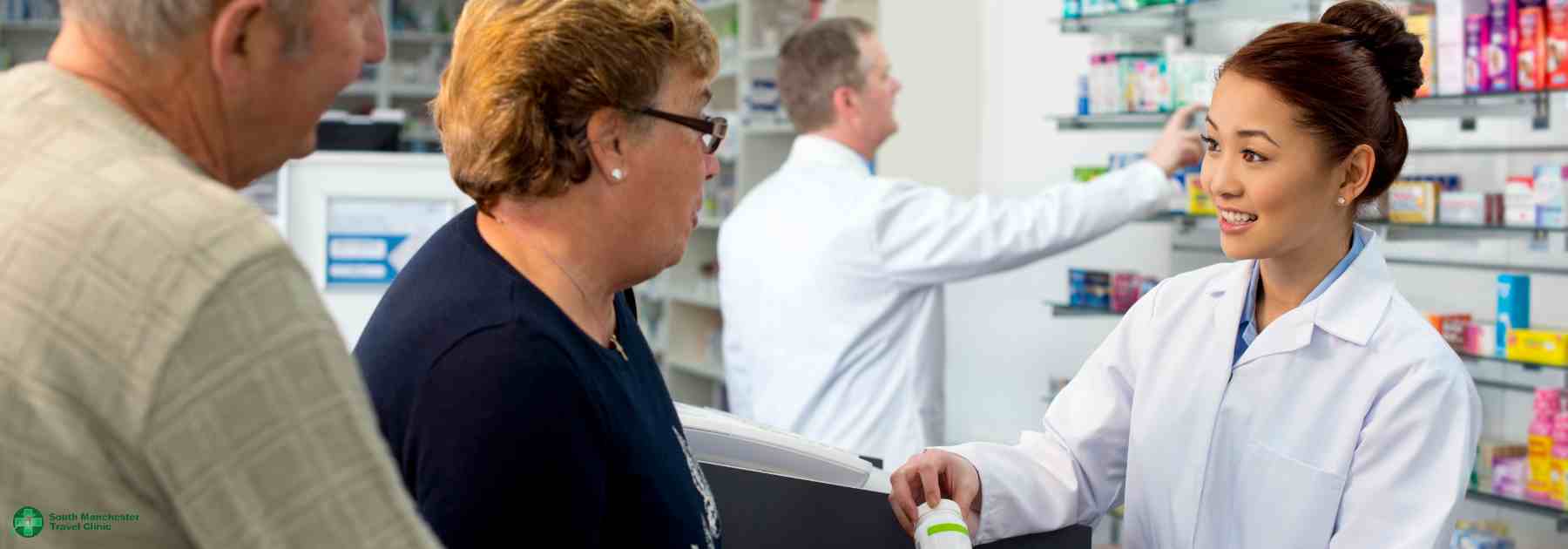
At South Manchester Travel Clinic, we are committed to providing exceptional healthcare services to travellers. Located inside Heald Green Pharmacy, our clinic is perfectly positioned for those preparing for international journeys or seeking health advice before departing from Manchester Airport. Our team is made up of experienced pharmacists, independent prescribers and other healthcare professionals who are dedicated to delivering personalised, comprehensive care.
Our Services
We understand that preparing for a trip can be overwhelming, especially when it comes to health concerns. That’s why we offer a wide range of services to meet your travel health needs, ensuring you can embark on your adventure with confidence. Here’s a closer look at what we provide:
Travel Vaccinations
Vaccinations are a crucial part of travel health, protecting you against various infectious diseases. Our clinic offers an extensive range of vaccines, including:
- Hepatitis A and B: Essential for many destinations.
- Typhoid: Recommended for travel to areas with poor sanitation.
- Yellow Fever: The yellow fever vaccine is a requirement for entry into certain countries.
- Rabies: Important for those visiting areas where the disease is prevalent.
- Meningitis: Advised for travellers to regions where outbreaks are common.
- Japanese Encephalitis: Necessary for those travelling to rural areas in Asia.
Our team will assess your travel itinerary and medical history to recommend the appropriate vaccinations for your specific needs. Please note that most travel vaccines need to be administered a few weeks before your departure.
Travel Health Advice
In addition to vaccinations, we provide expert travel health advice. Whether you need information on avoiding traveller’s diarrhoea, preventing malaria, or managing jet lag, our team is here to help. We offer tailored advice based on your destination, activities, and health status.
Malaria Prevention
Malaria is a significant concern for travellers to many parts of the world. We provide comprehensive malaria prevention services, including:
- Risk assessment: Evaluating your travel plans to determine your malaria risk.
- Medication: Prescribing the right prophylactic medications.
- Advice: Offering tips on how to avoid mosquito bites and other preventive measures.
Post-Travel Health Checks
Returning from a trip doesn’t always mean the end of health concerns. If you experience any unusual symptoms after your travels, our clinic offers post-travel health checks. We can help diagnose and treat any travel-related illnesses, ensuring you receive the care you need promptly. Therefore, if you have returned from your holiday and you don’t feel well, be sure to visit our pharmacy on your way back from the airport.
Prescription Services
Forgot to get a refill on your prescription medication? Our pharmacy can fill prescriptions, ensuring you have everything you need before you depart. We also provide advice on managing medications while travelling, including storage and dosage adjustments for different time zones. Please contact us as soon as possible if you require a prescription.

Why Choose South Manchester Travel Clinic?
There are several reasons why South Manchester Travel Clinic stands out as the preferred pharmacy near Manchester Airport for all your travel health needs:
- Convenient Location: Our clinic’s location inside Heald Green Pharmacy makes us easily accessible for travellers in the Manchester area. Being near Manchester Airport, we are ideally situated for last-minute travel health needs, ensuring you can get the care you require without significant detours.
- Experienced Team: Our team comprises seasoned healthcare professionals with extensive experience in travel health. We stay updated with the latest guidelines and recommendations to provide the best possible care. Our staff’s expertise ensures you receive accurate advice and effective treatments tailored to your specific travel plans.
- Comprehensive Care: We offer a one-stop solution for all your travel health needs. From vaccinations and malaria prevention to post-travel health checks and prescription services, we provide comprehensive care under one roof. This integrated approach saves you time and ensures you receive coordinated, high-quality care.
- Personalised Service: We believe in personalised care, recognising that every traveller is unique. Our team takes the time to understand your health history, travel plans, and specific concerns to provide tailored advice and services. Your health and well-being are our top priorities, and we strive to ensure you feel confident and well-prepared for your journey.
Visit Us Today
Preparing for your next adventure? Let South Manchester Travel Clinic be your trusted partner in travel health. Contact our team today, pop in store or schedule an appointment. We look forward to helping you stay healthy and safe on your travels.
This blog was written on behalf of South Manchester Travel Clinic by Pharmacy Mentor.


 Travelling with Children: A Guide to Keeping Your Family Healthy
Travelling with children can be a delightful adventure, filled with memorable experiences and invaluable family bonding time. However, it can also come with unique challenges, especially when it comes to ensuring the health and safety of your little ones. We understand these challenges at South Manchester Travel Clinic and are here to help you navigate them. Our goal is to make sure your family’s travel is as smooth, safe, and enjoyable as possible.
Why Visit South Manchester Travel Clinic Before Your Trip?
Planning a trip involves more than just booking flights and packing bags. When travelling with children, it’s crucial to consider their health needs to prevent any illnesses that could disrupt your journey. Here’s why a visit to South Manchester Travel Clinic should be a priority on your pre-travel checklist:
- Expert Advice on Vaccinations and Immunisations: Different destinations pose different health risks, and children are often more susceptible to these than adults. Our team of healthcare professionals provides comprehensive advice on the necessary vaccinations and immunisations your children may need based on your travel destination. We stay updated on the latest health advisories and ensure that your children are protected against diseases like typhoid, hepatitis A, and yellow fever.
- Tailored Health Plans: Every child is unique, and so are their health needs. At South Manchester Travel Clinic, we offer personalised health plans tailored to your child’s age, medical history, and specific travel itinerary. From routine vaccinations to specific preventive measures for diseases prevalent in your destination, we cover it all.
- Travel Health Kits: Our clinic offers travel health kits designed specifically for families. These kits include essentials like insect repellents, hand sanitisers, first-aid supplies, and any necessary prescription medications. Having a well-stocked travel health kit can be a lifesaver in remote locations where medical supplies might be limited.

Top Tips for Travelling with Children
Beyond medical preparations, there are several practical tips that can make travelling with children smoother and more enjoyable. Here are some of our top recommendations:
- Plan Ahead: When travelling with children, meticulous planning is key. Ensure all travel documents, including passports and visas, are up to date. Make a checklist of essentials to pack, including any comfort items like favourite toys or blankets that can help your child feel secure in unfamiliar surroundings.
- Stay Hydrated and Eat Healthily: Dehydration and poor nutrition can quickly lead to health issues, especially in hot climates. Encourage your children to drink plenty of water and choose healthy snacks over sugary treats. Pack snacks like nuts, fruits, and whole-grain crackers to keep their energy levels up during the trip.
- Maintain a Routine: Try to maintain a semblance of your child’s regular routine, even while travelling. Stick to regular meal times and bedtime schedules as much as possible. Familiar routines can help children adjust to new environments and reduce the chances of travel-related stress.
- Protect Against Insects: Insect bites are not just a nuisance; they can transmit serious diseases like malaria and dengue fever. Use insect repellents that are safe for children and dress them in long sleeves and pants, especially during evening hours when mosquitoes are most active. Our clinic can recommend the best insect repellent products suitable for your destination.
- Sun Protection: Sunburn can ruin a holiday and pose serious health risks, especially for children’s sensitive skin. Apply a broad-spectrum sunscreen with an SPF of at least 30, and reapply it every two hours, or more often if your child is swimming or sweating. Don’t forget to pack hats and sunglasses for extra protection.
Common Travel Health Concerns for Children
Understanding the common health risks and how to prevent them can give you peace of mind while travelling. Here are some common travel health concerns for children and how South Manchester Travel Clinic can help you address them:
- Diarrhoea and Food Poisoning: Changes in diet and exposure to new bacteria can often lead to gastrointestinal issues. We provide advice on how to prevent illnesses and offer treatments that can alleviate symptoms quickly. It’s also a good idea to carry oral rehydration salts (ORS) to prevent dehydration in case of diarrhoea.
- Motion Sickness: Motion sickness can make travelling by car, boat, or plane uncomfortable for children. We can recommend child-friendly medications to prevent or relieve motion sickness symptoms. Additionally, sitting by a window and looking at the horizon can help alleviate symptoms.
- Jet Lag: Crossing time zones can disrupt your child’s sleep patterns. We offer strategies to minimise jet lag, such as adjusting sleep schedules before departure and exposing children to natural light upon arrival to help reset their internal clock.
- Ear Pain During Flights: Changes in air pressure during take-off and landing can cause ear pain for children. To alleviate this, we recommend giving children something to chew or suck on, like gum or a bottle. Our healthcare providers can also offer advice on decongestants or other remedies if your child is particularly prone to ear pain during flights.

Post-Travel Health Check-ups
Upon returning from your trip, it’s important to monitor your child’s health for any signs of illness. Some diseases have incubation periods, meaning symptoms might not appear until days or even weeks after exposure. If your child experiences any unusual symptoms, such as fever, rash, or persistent digestive issues, schedule a post-travel health check-up at South Manchester Travel Clinic. Our team can conduct thorough evaluations and provide appropriate treatments to ensure your child’s health is back on track.
Why Choose South Manchester Travel Clinic?
At South Manchester Travel Clinic, our dedicated team of healthcare professionals is committed to providing the highest standard of care for your family. We understand the intricacies of travelling with children and offer a comprehensive range of services to ensure their health and safety. Our clinic is equipped with the latest medical resources, and our staff is always available to address any concerns you may have before, during, and after your trip.
Travelling with children doesn’t have to be stressful. With the right preparation and support from South Manchester Travel Clinic, you can focus on creating wonderful memories with your family. Schedule a consultation with us today and embark on your journey with confidence, knowing that your children’s health is in expert hands.
This blog was written on behalf of South Manchester Travel Clinic by Pharmacy Mentor.
 Exploring Kenya: Your Ultimate Travel Guide
Kenya, with its stunning landscapes, diverse wildlife, and rich cultural heritage, is a dream destination for many travellers. Whether you’re planning to witness the Great Migration in the Maasai Mara, relax on the pristine beaches of Diani, or explore the bustling streets of Nairobi, Kenya promises an adventure of a lifetime. However, before you embark on your journey, it’s crucial to ensure your health and safety by getting the necessary vaccinations for Kenya.
Why Get Vaccinated?
Travelling to a new country, especially one with different health risks, necessitates proper preparation. At South Manchester Travel Clinic, we understand the excitement and apprehension that comes with international travel. Our goal is to ensure you enjoy your Kenyan adventure to the fullest by safeguarding your health with the appropriate vaccinations.
Kenya, like many tropical regions, is home to diseases that may not be prevalent in your home country. These diseases can pose serious health risks if you are not adequately protected. By getting the recommended vaccinations, you significantly reduce the risk of contracting these illnesses, allowing you to focus on enjoying your trip.

Travel Vaccinations for Kenya
Here are five essential vaccinations for Kenya that we recommend at South Manchester Travel Clinic:
- Yellow Fever: Yellow fever is a viral infection transmitted by mosquitoes, and it can cause severe illness or even be fatal. Kenya requires proof of yellow fever vaccination for travellers arriving from countries with a risk of yellow fever transmission. Even if you’re not coming from such a country, getting vaccinated is highly advisable due to the presence of the disease in certain regions of Kenya.
- Typhoid: Typhoid fever is caused by the Salmonella typhi bacteria and is commonly spread through contaminated food and water. Given the varying hygiene standards in different parts of Kenya, the risk of typhoid fever is significant. A typhoid vaccination will provide you with crucial protection, especially if you plan to explore rural areas or enjoy local cuisine.
- Hepatitis A: Hepatitis A is a liver disease caused by the hepatitis A virus, which is transmitted through contaminated food and water. In Kenya, the risk of hepatitis A is high, particularly in areas with inadequate sanitation. The vaccination is highly effective and will protect you from this potentially serious illness.
- Hepatitis B: Hepatitis B is another liver infection, but it is spread through contact with infectious body fluids, such as blood. Activities like medical procedures, dental work, or even close contact with local populations can pose a risk. Vaccination against hepatitis B is crucial for long-term travellers and those who may engage in high-risk activities.
- Rabies: Rabies is a deadly virus transmitted through the bite or scratch of an infected animal. While the risk for travellers is relatively low, the consequences of contracting rabies are severe. If you plan on spending time outdoors, particularly in rural areas or engaging in activities like hiking, biking, or interacting with wildlife, a rabies vaccination is a wise precaution.
Additional Precautions
In addition to the five recommended vaccinations, it’s also advisable to ensure you’re up-to-date with routine vaccines like measles, mumps, rubella (MMR), diphtheria-tetanus-pertussis (DTP), and influenza. Depending on the duration and nature of your stay, you may also consider vaccinations for meningitis and cholera.
Malaria Prevention
While there is no vaccine for malaria, it is prevalent in many parts of Kenya. Taking antimalarial medication, using insect repellent, and sleeping under mosquito nets are effective measures to prevent malaria.

Why Choose South Manchester Travel Clinic?
At South Manchester Travel Clinic, we pride ourselves on providing comprehensive travel health services to ensure your trip is both enjoyable and safe. Here’s why you should choose us for your vaccinations for Kenya:
- Expertise and Experience: Our team of healthcare professionals has extensive experience in travel medicine. We stay updated with the latest guidelines and recommendations to provide you with the best possible care.
- Personalised Consultation: We understand that each traveller’s health needs are unique. During your consultation, we will assess your medical history, travel itinerary, and specific health risks to create a personalised vaccination plan tailored to your needs.
- Convenient and Accessible: Located in South Manchester, our clinic offers flexible appointment times to fit your busy schedule. We strive to make the process as convenient as possible, so you can focus on planning your exciting adventure.
- Comprehensive Travel Health Advice: Beyond vaccinations, we provide comprehensive travel health advice, including tips on avoiding food and waterborne illnesses, insect bite prevention, and general safety precautions. Our goal is to equip you with all the information you need to stay healthy during your travels.
- Peace of Mind: Travelling to a new country can be daunting, especially when it comes to health concerns. By getting your vaccinations for Kenya at South Manchester Travel Clinic, you can travel with peace of mind, knowing that you’ve taken the necessary steps to protect your health.
Book an Appointment
The key to a memorable and safe trip lies in proper planning. By prioritising your health and getting the recommended vaccinations, you can immerse yourself in the beauty and wonder of Kenya without worry. Schedule your appointment with South Manchester Travel Clinic today to get your vaccinations for Kenya and comprehensive travel health advice. Our friendly team is here to help you every step of the way, ensuring you’re well-prepared for your journey.
This blog was written on behalf of South Manchester Travel Clinic by Pharmacy Mentor.
 Get Holiday Ready with Mounjaro Injections at South Manchester Travel Clinic
As the holiday season approaches, many of us begin to think about looking and feeling our best for vacations, bikinis, and family photos. At South Manchester Travel Clinic, we understand that losing weight for the holidays can be a significant challenge, but with the right support and tools, it’s achievable. One such tool that has been making a difference for many is the Mounjaro injection. If you’re tired of searching for effective weight loss solutions, including “Mounjaro injection Manchester,” you’ve come to the right place. Here’s everything you need to know about how this treatment can help you reach your holiday weight loss goals.
Take a look at the prices for our weight loss treatments on our partner site here
The Holiday Weight Loss Challenge
The holiday season often brings indulgence in exotic foods, summer drinks, and less time for physical activity due to busy schedules. Combined with the natural desire to look our best for holiday snaps, these factors can create a significant weight management challenge. For many, traditional methods of dieting and exercise may not be enough, leading to frustration and disappointment.
What is Mounjaro and How Does it Work?
Mounjaro is an innovative injectable medication designed to assist with weight loss. It contains a unique formulation that helps regulate appetite and metabolism, making it easier to control food intake and burn calories more effectively. Mounjaro is administered through a simple injection, typically once a week, under the guidance of a healthcare professional.
Mounjaro works through several mechanisms to support weight loss:
- Enhanced Satiety: By slowing the emptying of the stomach, Mounjaro helps you feel fuller for longer after meals. This reduces the temptation to snack between meals and supports better portion control.
- Improved Metabolic Health: Mounjaro enhances insulin sensitivity and helps regulate blood sugar levels, promoting a more balanced metabolism. This not only aids in weight loss but also supports overall health.

Benefits of Mounjaro Injections
Using Mounjaro injections for weight loss offers several benefits, particularly when aiming to lose weight for the holidays:
- Effective Weight Reduction: Clinical studies have shown that Mounjaro can lead to significant weight loss. Many users experience noticeable results within a few weeks of starting treatment.
- Convenient Administration: The once-weekly injection is easy to administer and fits seamlessly into a busy lifestyle, making it a practical option for those with hectic holiday schedules.
- Comprehensive Support: At South Manchester Travel Clinic, we provide personalised support and guidance throughout your weight loss journey with Mounjaro. Our team of healthcare professionals is here to help you achieve your goals and maintain a healthy lifestyle.
Is Mounjaro Right for You?
Mounjaro is suitable for individuals who have struggled with weight loss despite trying diet and exercise. It is particularly beneficial for those who are overweight or obese and have weight-related health issues such as type 2 diabetes or cardiovascular disease. However, it is essential to consult with a healthcare professional to determine if Mounjaro is the right option for you.

Your Weight Loss Journey with South Manchester Travel Clinic
At South Manchester Travel Clinic, we are dedicated to helping you achieve your holiday weight loss goals with Mounjaro injections. Our comprehensive approach ensures you receive the best support and care throughout your journey.
We start with a personalised consultation where our experienced healthcare professionals thoroughly review your health history, weight loss goals, and any underlying medical conditions. This tailored approach ensures Mounjaro is the right choice for you.
Next, we offer comprehensive education on how Mounjaro works, how to administer the injections, and what to expect during your treatment. Our team is always available to answer your questions and address any concerns you may have.
Recognising that weight loss is a continuous journey, we provide ongoing support. Regular follow-up appointments allow us to monitor your progress, address any issues, and adjust your treatment plan as necessary.
We also take a holistic approach to weight loss. Alongside medication, we emphasise the importance of a balanced diet and regular physical activity. Our healthcare professionals offer nutritional advice and lifestyle tips to help you achieve sustainable weight loss.
Choosing South Manchester Travel Clinic for your weight loss journey with Mounjaro offers several advantages. Our expertise and experience ensure you receive care from highly trained professionals who stay updated with the latest research and guidelines. We offer personalised service, taking the time to understand your unique needs and provide tailored advice and support to help you achieve lasting results in a supportive and caring environment.
Our clinic is conveniently located in South Manchester, making it easily accessible for those in Manchester and the surrounding areas. We offer flexible appointment times to accommodate your schedule. Additionally, we provide comprehensive care, offering a wide range of healthcare services, including travel vaccinations, health screenings, and chronic disease management.
We are your one-stop shop for all your healthcare needs this summer.
Get Summer-Ready
Achieving your holiday weight loss goals can be challenging, but with the right support and tools, it is possible. At South Manchester Travel Clinic, we are dedicated to helping you reach your weight loss goals with Mounjaro injections. Our personalised approach, expert guidance, and ongoing support ensure that you have everything you need to succeed.
If you are looking for Mounjaro injections in Manchester and want to learn more about how they can support your weight loss journey, contact South Manchester Travel Clinic today.
Let us help you achieve your health and fitness goals in time for the holidays.
This blog was written on behalf of South Manchester Travel Clinic by Pharmacy Mentor.
 Protect Yourself: The Importance of the Dengue Vaccine
Get the Dengue Vaccine in Manchester
As the team at South Manchester Travel Clinic, we are committed to ensuring the health and safety of our clients as they embark on their adventures around the world. One of the significant health risks travellers face, particularly in tropical and subtropical regions, is Dengue Fever. This mosquito-borne viral infection poses a considerable threat to travellers, but fortunately, there’s a solution: the Dengue Vaccine.
Dengue Fever, often referred to as “breakbone fever” due to the severe joint and muscle pain it causes, is transmitted by the Aedes mosquito, primarily during the daytime. Symptoms can range from mild fever, headache, and muscle pain to severe dengue, which can lead to life-threatening complications such as dengue hemorrhagic fever or dengue shock syndrome.
In regions where Dengue Fever is endemic, the risk of infection is ever-present, and travellers must take proactive measures to protect themselves. While preventative measures such as mosquito repellents, protective clothing, and mosquito nets can help reduce the risk of mosquito bites, the most effective way to guard against Dengue Fever is through vaccination.

High-Risk Destinations
At South Manchester Travel Clinic, we highly recommend the Dengue Vaccine for individuals travelling to high-risk destinations. By getting vaccinated before your trip, you can significantly lower your chances of contracting Dengue Fever and enjoy your travels with peace of mind.
Here are five high-risk destinations where Dengue Fever is prevalent:
- Thailand: A popular destination known for its beautiful beaches, vibrant culture, and delicious cuisine, Thailand also carries a high risk of Dengue Fever, particularly in urban areas and during the rainy season.
- Brazil: With its vast rainforests, bustling cities, and iconic landmarks like Rio de Janeiro and the Amazon River, Brazil is a hotspot for travellers. However, Dengue Fever is endemic throughout the country, posing a significant health risk to visitors.
- India: Rich in history, culture, and diverse landscapes, India attracts millions of tourists each year. However, Dengue Fever is endemic in many parts of the country, especially during the monsoon season.
- Philippines: Blessed with stunning beaches, crystal-clear waters, and lush landscapes, the Philippines is a tropical paradise. However, Dengue Fever is a prevalent threat, particularly in urban and rural areas.
- Indonesia: Home to breathtaking islands like Bali, Java, and Sumatra, Indonesia is a top destination for travellers seeking adventure and relaxation. However, Dengue Fever is endemic throughout the archipelago, especially in densely populated areas.
Before travelling to any of these high-risk destinations, we urge you to visit South Manchester Travel Clinic for a comprehensive travel health consultation. Our experienced team will assess your itinerary, provide personalised recommendations, and administer essential vaccines, including the Dengue Vaccine, to ensure your health and safety abroad.

Other Considerations
It’s essential to note that the Dengue Vaccine is not 100% effective and does not provide complete immunity against the virus. However, it can significantly reduce the risk of severe dengue and its complications, offering valuable protection to travellers, especially in high-risk areas. In addition to getting vaccinated, we encourage travellers to take other preventive measures to avoid mosquito bites, such as using insect repellents containing DEET, wearing long-sleeved clothing and pants, and staying in accommodations with air conditioning or screened windows and doors.
Get the Dengue Vaccine in Manchester
By taking proactive steps to protect yourself against Dengue Fever, you can enjoy your travels to the fullest and return home with unforgettable memories instead of unwanted illnesses. Visit South Manchester Travel Clinic today and safeguard your health for a worry-free journey ahead. Safe travels!
This blog was written on behalf of South Manchester Travel Clinic by Pharmacy Mentor.
 Malaria Prevention Tablets: Safeguarding Your Journey
Get Malaria Prevention Tablets in Manchester
As travellers embark on adventures to exotic destinations, one crucial consideration often overlooked is protecting against mosquito-borne diseases like malaria. Malaria is a significant global health concern, particularly in regions with high mosquito activity. For travellers from Manchester, understanding the importance of malaria prevention and knowing which destinations recommend malaria prevention tablets is essential.
Understanding Malaria
Malaria is a life-threatening disease caused by parasites transmitted through the bite of infected female Anopheles mosquitoes. Symptoms include fever, chills, and flu-like illness, which, if left untreated, can progress to severe complications and even death. While malaria is prevalent in tropical and subtropical regions, it is preventable with the appropriate measures, including the use of malaria prevention tablets.
Importance of Malaria Prevention
Prevention is always better than cure, especially when it comes to malaria. Malaria prevention tablets, also known as antimalarial medications, are effective in reducing the risk of contracting the disease. These tablets work by suppressing the parasite in the bloodstream, providing travellers with a vital layer of protection against malaria infection. For travellers from South Manchester, particularly those visiting malaria-endemic regions, taking malaria prevention tablets is crucial for safeguarding their health during their travels.

Destinations Requiring Malaria Prevention Tablets
Sub-Saharan Africa: Sub-Saharan Africa is one of the most malaria-affected regions globally, with countries like Nigeria, Ghana, and Kenya experiencing high transmission rates. Travellers venturing into these regions, whether for safari adventures or cultural explorations, should prioritise malaria prevention. Taking malaria prevention tablets in Manchester before departing for Sub-Saharan Africa is strongly recommended to mitigate the risk of malaria infection.
Southeast Asia: Popular tourist destinations in Southeast Asia, such as Thailand, Cambodia, and Vietnam, pose a risk of malaria transmission, particularly in rural and forested areas. Travellers seeking adventure in the lush jungles or remote villages of Southeast Asia should consult with healthcare professionals at South Manchester Travel Clinic and obtain malaria prevention tablets to ensure a safe and healthy journey.
South America: Countries like Brazil, Peru, and Colombia are known for their biodiversity and natural wonders, but they also harbour malaria-carrying mosquitoes in certain regions, including the Amazon rainforest. Travellers planning expeditions to South America’s tropical zones should prioritise malaria prevention by obtaining appropriate antimalarial medication from South Manchester Travel Clinic.
Indian Subcontinent: The Indian subcontinent, including countries like India, Pakistan, and Bangladesh, experiences varying degrees of malaria transmission. Urban areas may have a lower risk, but rural and remote regions pose a higher threat of malaria infection. Travellers exploring the diverse landscapes and cultural heritage of the Indian subcontinent should take malaria prevention tablets in Manchester before their journey to stay protected.
Pacific Islands: While some Pacific islands like Fiji and Tahiti have low to no malaria risk, others, including Papua New Guinea and the Solomon Islands, have moderate to high transmission rates. Travellers island-hopping or immersing themselves in the natural beauty of the Pacific should be aware of the malaria risk and take necessary precautions, including obtaining malaria prevention tablets from South Manchester Travel Clinic.
You can find out more about the vaccines that you need for your destination on the NHS Fit for Travel Website.

Book an Appointment
As the world becomes increasingly interconnected, travellers from South Manchester are venturing to diverse destinations across the globe. While these adventures offer enriching experiences, they also present health risks such as malaria. By prioritising malaria prevention and taking malaria prevention tablets while travelling in malaria-endemic regions, travellers can protect themselves against this potentially life-threatening disease. Remember, a proactive approach to health and safety ensures a memorable and worry-free travel experience. Stay informed, stay protected, and embark on your journeys with confidence, knowing you’ve taken the necessary steps to safeguard your health abroad.
This blog was written on behalf of South Manchester Travel Clinic by Pharmacy Mentor.
 The Essential Guide to Travel Vaccines
Get Your Travel Vaccines in Wilmslow
Are you looking to get travel vaccines in Wilmslow? Look no further than South Manchester Travel Clinic, we’re passionate about ensuring your journeys are not only memorable but also safe and healthy.
As your trusted partners in travel health, we understand the excitement of exploring new destinations, but we also recognise the importance of preparation, particularly when it comes to travel vaccines.
Why Vaccination Matters
Before embarking on any adventure, it’s crucial to prioritise your health. Travelling to different parts of the world exposes you to various diseases and illnesses that your body may not be accustomed to. Vaccinations serve as your shield against these potential health risks, offering protection and peace of mind throughout your travels.
Our Commitment to Your Well-Being
At South Manchester Travel Clinic, we’re dedicated to providing comprehensive travel health services tailored to your specific needs. Our team of experienced healthcare professionals is here to guide you through the process, ensuring you receive the necessary vaccinations and personalised advice for your upcoming journey.

Popular Travel Vaccines
- Yellow Fever Vaccine: If you’re planning a trip to tropical destinations in Africa or South America, the yellow fever vaccine is essential. This mosquito-borne disease can be severe, so getting vaccinated is vital for your safety.
- Typhoid Vaccine: Typhoid fever is prevalent in many parts of the world with poor sanitation. Whether you’re travelling to Asia, Africa, or Latin America, the typhoid vaccine offers protection against this potentially life-threatening illness.
- Hepatitis A and B Vaccines: Hepatitis A and B are viral infections that can be transmitted through contaminated food, water, or bodily fluids. These vaccines are recommended for travellers visiting regions where hepatitis is endemic, such as Asia, Africa, and parts of South America.
- Rabies Vaccine: If you’re planning outdoor activities or travelling to remote areas where rabies is prevalent, the rabies vaccine is crucial. Rabies is a fatal viral disease transmitted through the bite or scratch of an infected animal, and the rabies vaccine can prevent its onset.
- Cholera Vaccine: Cholera is a bacterial infection spread through contaminated food and water. Travellers visiting areas with poor sanitation and hygiene standards should consider the cholera vaccine to reduce their risk of infection.
You can find out more about the travel vaccines that you need for your destination on the NHS Fit for Travel Website.

Your Travel Health Checklist
When preparing for your next adventure, don’t forget to prioritise your health. Here’s a simple checklist to ensure you’re well-prepared:
- Schedule a consultation with our team at South Manchester Travel Clinic well in advance of your trip.
- Discuss your travel itinerary and medical history to determine the vaccines and health precautions you’ll need.
- Get vaccinated according to the recommended schedule, allowing sufficient time for immunity to develop before your departure.
- Follow our expert advice on travel health, including tips on food and water safety, insect bite prevention, and managing common travel-related illnesses.
- Pack a travel health kit with essential supplies, including any prescribed medications, insect repellent, sunscreen, and basic first-aid items.
Book an Appointment
At South Manchester Travel Clinic, your safety and well-being are our top priorities. With our comprehensive range of travel vaccines and expert guidance, you can embark on your adventures with confidence, knowing that you’re fully prepared to stay healthy wherever your travels take you.
Don’t let preventable illnesses ruin your travel experience. Take the necessary steps to protect yourself and your loved ones by prioritising travel vaccines in Wilmslow. Contact us today to schedule your consultation and ensure a safe and memorable journey ahead!
Remember, your adventure begins with a healthy start!
This blog was written on behalf of South Manchester Travel Clinic by Pharmacy Mentor.
 Essential Thailand Travel Vaccines
Thailand Travel Vaccines
Embarking on a journey to Thailand can be extremely exciting but its important to get vaccinated before you jet off.
At South Manchester Travel Clinic, we understand the importance of ensuring your health and well-being while exploring different destinations. In this comprehensive guide, we delve into the essential Thailand travel vaccines to make your trip memorable and worry-free.
Understanding the Landscape
Before you set foot on the bustling streets of Bangkok or the tranquil beaches of Phuket, it’s crucial to be aware of the potential health risks in Thailand. While the country is a popular tourist destination, certain diseases are prevalent, making travel vaccines an essential part of your pre-trip preparations.
Hepatitis A and B Vaccines:
One of the primary concerns when travelling to any foreign destination is protecting yourself against food and waterborne diseases. Hepatitis A, a viral infection transmitted through contaminated food and water, is prevalent in Thailand. The Hepatitis A vaccine provides effective protection against this disease. Additionally, Hepatitis B is transmitted through blood and bodily fluids, including unprotected sexual contact. Given the potential exposure while travelling, especially in remote areas, the Hepatitis B vaccine is strongly recommended.
Typhoid Fever Vaccine:
Typhoid fever is another waterborne disease that poses a risk in Thailand. Contaminated food and water sources can lead to the transmission of the bacteria responsible for this illness. The Typhoid vaccine is essential for safeguarding your health during your stay in Thailand.
Japanese Encephalitis Vaccine:
For those venturing into rural areas or planning outdoor activities, the Japanese Encephalitis vaccine is a crucial component of your travel immunization plan. Transmitted by mosquitoes, this viral infection can lead to severe neurological complications. Vaccination is especially important if your travel itinerary includes visits to agricultural areas, as these are more prone to mosquito-borne diseases.
Rabies Vaccine:
While rare, cases of rabies have been reported in Thailand. Interaction with animals, especially stray dogs, can pose a risk of exposure. The Rabies vaccine serves as a preventive measure, offering protection in case of unexpected encounters with potentially rabid animals.
Malaria Prophylaxis:
While not a vaccine, malaria prophylaxis is an essential consideration when travelling to certain regions of Thailand. Malaria is transmitted through the bite of infected mosquitoes, and preventive medication helps reduce the risk of infection. Consult with our travel health experts to determine the most suitable malaria prophylaxis for your trip based on your specific itinerary.

Consulting with Our Travel Health Experts
At South Manchester Travel Clinic, our dedicated team of travel health professionals is committed to ensuring you receive personalised advice and vaccinations tailored to your individual needs. Schedule a consultation well in advance of your departure to allow ample time for vaccinations to take effect.
Before Your Trip
As part of your pre-trip preparations, it’s important to schedule a consultation with our travel health experts. During this session, we will review your medical history, assess your travel itinerary, and provide personalised recommendations for Thailand travel vaccines. Be sure to bring any existing vaccination records, as they will help inform our recommendations.
We’ll discuss essential travel health tips, such as:
- Safe Eating and Drinking: Avoiding street food might be tempting, but it’s an integral part of experiencing Thailand’s culinary diversity. Our experts will provide guidance on safe food and water consumption, helping you navigate the local cuisine without compromising your health.
- Mosquito Bite Prevention: Given the prevalence of mosquito-borne diseases, such as dengue and Japanese encephalitis, our team will offer practical advice on preventing mosquito bites. This may include using insect repellent, wearing long sleeves and pants, and staying in accommodations with screened windows.
- Personal Safety Measures: Staying safe during your travels involves more than just vaccinations. Our experts will discuss general safety tips, including staying hydrated, practising sun safety, and being cautious when participating in adventurous activities.
During Your Trip
Once you’re in Thailand, it’s essential to remain vigilant about your health. Here are some key pointers to keep in mind:
- Stay Hydrated: Thailand’s tropical climate can be dehydrating. Ensure you drink enough water, especially if you’re engaging in outdoor activities or spending extended periods in the sun.
- Monitor Food and Water Intake: While indulging in the local cuisine is a must, be mindful of where and what you eat. Opt for freshly cooked food from reputable establishments, and avoid consuming raw or undercooked items.
- Practice Mosquito Bite Prevention: Continue using insect repellent and taking precautions to prevent mosquito bites throughout your trip. This is particularly important if you explore rural or jungle areas.
- Be Cautious with Animals: While Thailand is home to diverse wildlife, exercise caution when interacting with animals. Avoid contact with stray dogs and other potentially rabid animals to minimise the risk of exposure.

Post-Trip Recommendations
After returning from your unforgettable Thai adventure, it’s crucial to maintain awareness of your health. If you experience any symptoms such as fever, diarrhoea, or other unusual signs, seek medical attention promptly. Inform your healthcare provider about your recent travels, and mention any pre-travel vaccinations you received.
Book an Appointment
Embarking on a journey to Thailand promises an extraordinary blend of cultural experiences, natural beauty, and culinary delights. By prioritising your health through essential travel vaccinations, you can fully enjoy the Land of Smiles without compromising your well-being. At South Manchester Travel Clinic, our dedicated team is here to guide you through the process, ensuring you embark on your adventure fully prepared and protected. Contact us to find out more or schedule your personalised travel health consultation today.
Thailand travel vaccines are your passport to a worry-free adventure – let us help you make the most of your journey!
This blog was written on behalf of South Manchester Travel Clinic by Pharmacy Mentor.
 Travel Vaccinations in Manchester: Your Passport to a Healthy Journey
Get Your Travel Vaccinations in Manchester
Are you looking for travel vaccinations in Manchester? Look no further than South Manchester Travel Clinic. We believe that travel should be enjoyable, safe, and memorable. To ensure your journey is a seamless one, we’re here to discuss the importance of travel vaccinations and how to stay healthy while exploring the world.
The Importance of Travel Vaccinations
Whether you’re planning a thrilling adventure or a relaxing getaway, protecting yourself from potential health risks during your travels is vital. Travel vaccinations are your first line of defence against diseases that may be prevalent in your destination. They work by stimulating your immune system to create protective antibodies, which help ward off infections. South Manchester Travel Clinic is your go-to destination for a range of essential travel vaccines.

The Fantastic Five: Travel Vaccines You Need
- Yellow Fever Vaccine: If you’re planning a journey to tropical regions in Africa or South America, a Yellow Fever vaccine is a must. This viral disease is transmitted through mosquito bites and can be life-threatening. Getting vaccinated at South Manchester Travel Clinic will ensure you’re protected against this risk.
- Typhoid Vaccine: Typhoid fever is commonly spread through contaminated food and water. Protect yourself when visiting destinations with questionable sanitation and water quality. A Typhoid vaccine from South Manchester Travel Clinic will keep you safe.
- Cholera Vaccine: Cholera is another waterborne disease, prevalent in areas with poor sanitation. Our pharmacy offers Cholera vaccines to keep you hydrated and healthy during your journey.
- Meningococcal Vaccine: Travelling to parts of Africa, the Middle East, or other areas with a high risk of meningococcal disease? This vaccine is your shield against bacterial meningitis. Let South Manchester Travel Clinic help you stay infection-free.
- Malaria Prevention Medication: While not a vaccine, malaria prevention medication is essential when travelling to regions where malaria is prevalent. We offer a range of options to ensure you’re protected from this mosquito-borne disease. Our team can recommend the right choice based on your destination and medical history.
Staying Healthy While Traveling: Our Top Tips
In addition to getting your travel vaccinations at South Manchester Travel Clinic, here are some valuable tips to ensure your health and well-being throughout your journey:
- Stay Hydrated: Keep yourself well-hydrated, especially in hot and humid climates, to avoid dehydration and related illnesses.
- Wash Your Hands: Practising good hand hygiene is one of the simplest yet most effective ways to prevent the spread of diseases.
- Eat Wisely: Be cautious about the food and water you consume. Opt for well-cooked, hot meals, and bottled or purified water.
- Protect Against Mosquito Bites: Use insect repellent and wear long-sleeved clothing to reduce the risk of mosquito-borne diseases.
- Be Sun Smart: Protect your skin from harmful UV rays with sunscreen, sunglasses, and hats to prevent sunburn and skin damage.

Why Choose South Manchester Travel Clinic?
At South Manchester Travel Clinic, your health is our priority. We’re your one-stop destination for travel vaccinations in Manchester. Our experienced team is dedicated to ensuring your safety and well-being throughout your travels. We offer expert advice, affordable prices, and a convenient location to make your pre-trip preparations hassle-free.
So, whether you’re setting off on a grand adventure or a relaxing getaway, visit South Manchester Travel Clinic to get your travel vaccinations. We’re here to help you protect your health and create memories that will last a lifetime.
Don’t let health concerns hold you back; choose South Manchester Travel Clinic and embark on your next journey with confidence. Travel smart, stay healthy, and explore the world!
Safe travels and happy adventures!
This blog was written on behalf of South Manchester Travel Clinic by Pharmacy Mentor.
 Travel Clinic Stockport – No.1 Vaccination Clinic in Manchester
Travel Clinic Stockport
At our Travel Clinic in Stockport, we provide a wide array of essential travel vaccinations to safeguard your health, regardless of your destination. Our well-informed team stays current with the latest travel advice, offering tailored recommendations based on your individual requirements. Contact us for a complimentary, no-obligation consultation at the most sought-after Travel Clinic in Stockport.
Convenient and Accessible Travel Vaccination Services
Our expert pharmacists administer on-site travel vaccinations and assessments across all our branches, with our most popular branch being at Heald Green Pharmacy. Alongside our in-pharmacy services, we can also coordinate home visits or vaccinations at your workplace. If this interests you, don’t hesitate to contact us.
Assessment and Vaccine Recommendations
A travel risk assessment allows our pharmacists to discuss your travel-related risks and suggest suitable measures to ensure your well-being. Ideally, you should reach out to us 6 to 8 weeks before your departure, and no later than 4 weeks before, to guarantee full protection from the vaccines we provide. If your trip is sooner, get in touch anyway – we may still be able to offer vital travel health information, always free of charge.
During the assessment, our team will:
- Conduct consultations privately and confidentially in our consultation rooms
- Confirm that your routine immunisations are up-to-date
- Evaluate your specific health risks
- Advise necessary vaccines and/or anti-malarial tablets
- Vaccinate you on the spot if we have the vaccines available. That’s why it’s crucial to book beforehand, so we can acquire the necessary stock.
- You should bring your vaccine travel card or any apps with you that store your travel history information.
Popular Travel Vaccinations and Medicines
We continually update the range of vaccines and medicines offered at our Travel Clinic in Stockport. In addition to vaccinations, we also supply all the Travel Essentials you need, providing a comprehensive 360-degree solution.
Take a look at the most popular vaccines and medicines available from our pharmacy:
Vaccines
- Cholera: Prevalent in Africa, Central America, and Asia, cholera is a bacterial infection spread through contaminated food and water.
- Diphtheria, Tetanus, and Poliomyelitis: This vaccine may be recommended if you’re travelling to an area with a high risk of contracting these diseases or limited access to medical care, and you haven’t had a booster in the last ten years.
- Hepatitis A: Found in Africa, Asia, the Middle East, and South America, hepatitis A is transmitted through contaminated faecal matter, often via infected food and water.
- Hepatitis B: Hepatitis B is common in both developed and undeveloped countries and is typically spread through unprotected sex, needle-sharing, unsanitary tattoo parlours, barbershops, and nail salons.
- Japanese Encephalitis: This mosquito-borne disease is found in South East Asia, Japan, and tropical regions of Australia, with occasional epidemics in China and India. There is no cure for Japanese encephalitis.
- Meningitis ACWY Vaccination for Hajj or Umrah: This bacterial infection is most common in sub-Saharan Africa but can also occur in crowded environments with poor hygiene, such as universities and army camps.
- Rabies: Rabies is commonly found in Thailand, Brazil, and India and is spread through bites and scratches from infected animals or humans.
- Tick-borne Encephalitis: This tick-borne virus is present in eastern, northern, and Central Europe, as well as eastern Russia, East Asia, China, and Japan.
- Yellow Fever: A severe infectious disease spread by mosquitoes and prevalent in parts of Africa, South America, Central America, and Trinidad in the Caribbean.
Medicines
- Altitude Sickness: Quick exposure to low oxygen levels at high altitudes can lead to altitude sickness. Acute mountain sickness (AMS) is its mildest form, with symptoms such as headaches, vomiting, fatigue, difficulty sleeping, and dizziness.
- Malaria: A life-threatening disease carried by infected mosquitoes, malaria is widespread in equatorial tropics and subtropics.
Always Get the Essential Vaccinations for Your Travels

Understanding the potential fatality of diseases abroad is crucial. Secure your health and safety on your journey with our all-encompassing travel vaccination services in Stockport. Our exceptional team will offer personalized recommendations tailored to your destination and specific requirements. Schedule your appointment with us, and let’s ensure you travel securely and confidently.
This blog post was written on behalf of the South Manchester Travel Clinic by Pharmacy Mentor.
 What Vaccines Do You Need to Travel to Cambodia?
If you are travelling to Cambodia, it is important that you know what vaccines you need. If your trip is going to be long-term, then it is also advantageous if you can go through the full series of vaccines. Keep reading to find out where to get the rabies vaccine for Cambodia as well as other mandatory vaccines.
What vaccines should I get before going to Cambodia?
Hepatitis A
Hepatitis A is a viral infection that can cause liver inflammation and even death. It’s spread through contaminated food or water, but it’s not spread from person to person. The hepatitis A vaccine protects you against getting this disease if you’re travelling to Cambodia.
Yellow fever
Yellow fever is a viral disease transmitted by infected mosquitoes. It is not the same as dengue fever, which is caused by the same virus and can also be transmitted by mosquitoes in Cambodia.
The risk of catching yellow fever while travelling to Cambodia is low but you should get vaccinated at least 10 days prior to your trip. The yellow fever vaccine prevents you from getting the disease if you are bitten by an infected mosquito.
Meningococcal meningitis
Meningococcal meningitis is a serious bacterial infection that can be fatal if left untreated. Symptoms include high fever, headache and neck stiffness as well as nausea and vomiting.
Meningitis can be deadly if not treated in time so it’s important to get vaccinated against this disease if you are travelling to Cambodia.

Typhoid fever
Typhoid fever is a bacterial infection caused by the bacterium Salmonella typhi. It’s transmitted through contaminated food and water. You can be exposed by eating or drinking foods that have been prepared in an unclean kitchen environment. Symptoms include fever, headache and loss of appetite; these often develop within six to 12 hours after exposure but may not start until several days later.
Rabies vaccine
Rabies is a viral disease that can infect both humans and animals, causing an infection known as hydrophobia. The virus causes severe disease in humans, causing symptoms such as fever, headache and tiredness which last several weeks before death occurs. Rabies is preventable through vaccination but there are no clinical trials available in Cambodia. You should therefore receive two doses of rabies vaccine within 3 months before travel or contact with animals.
Where is rabies most common in Asia?
Rabies is most commonly found in Asia in countries such as India, Bangladesh, Nepal, Vietnam, and Thailand. In India, for example, rabies is widespread in rural areas where it is transmitted to humans through the bite of infected dogs.
Is rabies a problem in Thailand & Vietnam?
Yes, rabies is a problem in both Thailand and Vietnam. In both countries, the primary source of rabies transmission is through bites from infected dogs. In Vietnam, for example, the incidence of rabies is highest in rural areas where people have close contact with dogs and other domestic animals. Rabies is a serious public health concern in Thailand, with the government launching various campaigns to raise awareness and control the spread of the disease.

Where can I get the rabies vaccine for my travel to Cambodia and other travel vaccines?
Visit or book your appointment with SM Travel Clinic for your rabies vaccine for Cambodia. Get in touch with us for more information.
This blog post was written on behalf of the South Manchester Travel Clinic by Pharmacy Mentor.
 What Vaccinations Do You Need to Travel to Brazil?
Brazil is the third-largest nation in the Americas and the fifth-largest country globally. Despite the country’s enormous size and diverse topography, which includes hills, mountains, and plains, the majority of it is classified as either tropical or subtropical. Brazil’s national language is Portuguese. Keep reading to find out the vaccines you need to travel to Brazil and how our pharmacy in Manchester can help.
Essential Travel Vaccines for Brazil: What You Need to Know
You may contract a (tropical) disease if you visit Brazil. However, vaccinations can help protect you against various diseases found in the country. Our medical professionals have compiled a list of the most prevalent illnesses in Brazil, so you can easily choose which particular vaccines you need.
- Hepatitis A.
- Meningitis.
- Yellow Fever.
- Rabies
Given that rabies is fully preventable if medical assistance is received within 7 to 10 days of an animal bite, vaccination is normally only advised for very high-risk visitors.
Nevertheless, it may be advisable to check if you have had the following routine vaccinations. Some of these illnesses may require a booster for adults:
- Measles, mumps and rubella (MMR).
- Polio.
- Tdap (tetanus, diphtheria and pertussis).
- Chickenpox.
- Influenza.
Considering getting vaccinated against shingles and/or pneumonia may also be recommended for older persons or people with specific medical conditions.
COVID-19
There is a possibility of Coronavirus (COVID-19) exposure in Brazil.
Before leaving, you should:
- See the most recent government guidance available on the FCDO’s country-specific sections and Foreign Travel Advice for information on travelling to Brazil and the requirements for returning to the UK.
- Check that you are current on UK recommendations for the COVID-19 vaccine.
- Determine whether you are more likely to have severe COVID-19.
- Carefully examine your travel plans and consider getting medical assistance if you are at a higher risk of developing severe COVID-19 before making any decisions.

What is the recommended timeline for getting travel vaccines, before your trip to Brazil?
It is ideal to speak with your pharmacist or doctor at least one month before your trip. Based on your individual travel plans, they will be able to advise you about any vaccines you might need for your travel before you depart.
Your doctor would want to know a few things, such as:
- The season or time of year in which you want to travel.
- The duration of your visit.
- The areas of Brazil you are travelling to.
- Your intended activities, such as if you’ll be hiking or visiting a wilderness area.
- If you’re going to interact with animals.
- If you have received all of your recommended vaccines on time.
In addition, your doctor may perform a general wellness examination. If you have a medical problem that hasn’t been treated yet, you could need this for your travel insurance.
Your doctor may advise getting a booster jab or getting vaccinated/revaccinated against a specific disease if you have not had your normal vaccinations in a timely manner or if they suspect you may be at a higher risk of catching a disease that is preventable by a vaccine.
Do you need antimalarials for Brazil?
Generally, there is little risk of malaria in the Brazilian Amazon basin, including Manaus. Prescription antimalarial medications like Malarone, Doxycycline, or Lariam should be taken if visiting Brazil’s Amazon region. There is little to no risk in any other locations, including the Iguacu Falls, so precautions for avoiding mosquito bites should be taken.

Where should you get your Brazil travel vaccines from in Manchester?
Book your appointment with or visit SM Travel Clinic to get your travel vaccines for Brazil in Manchester.
This blog post was written on behalf of the South Manchester Travel Clinic by Pharmacy Mentor.